Meet the Producers
Behind every cup are the farmers who believed in organic. Their patience keeps the bond between coffee and Kericho’s soil alive, bridging tradition and the future.
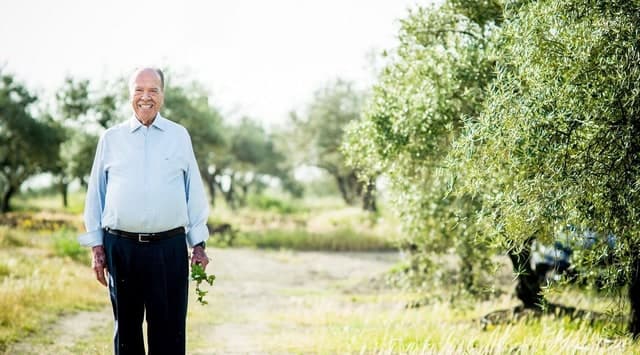
Pius Mutay, Humkel Estate
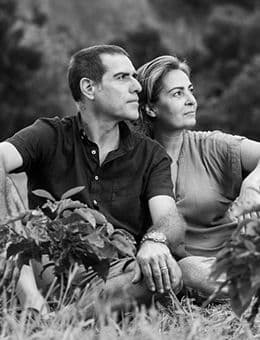
Kericho County
Pius Mutay directs Humkel, a pioneering organic farm that turns worm tea and mulch into living, healthy soil.
Jack Melly, Kiqwetu Estate
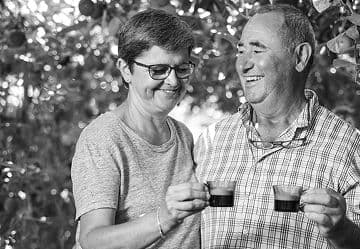
Kericho County
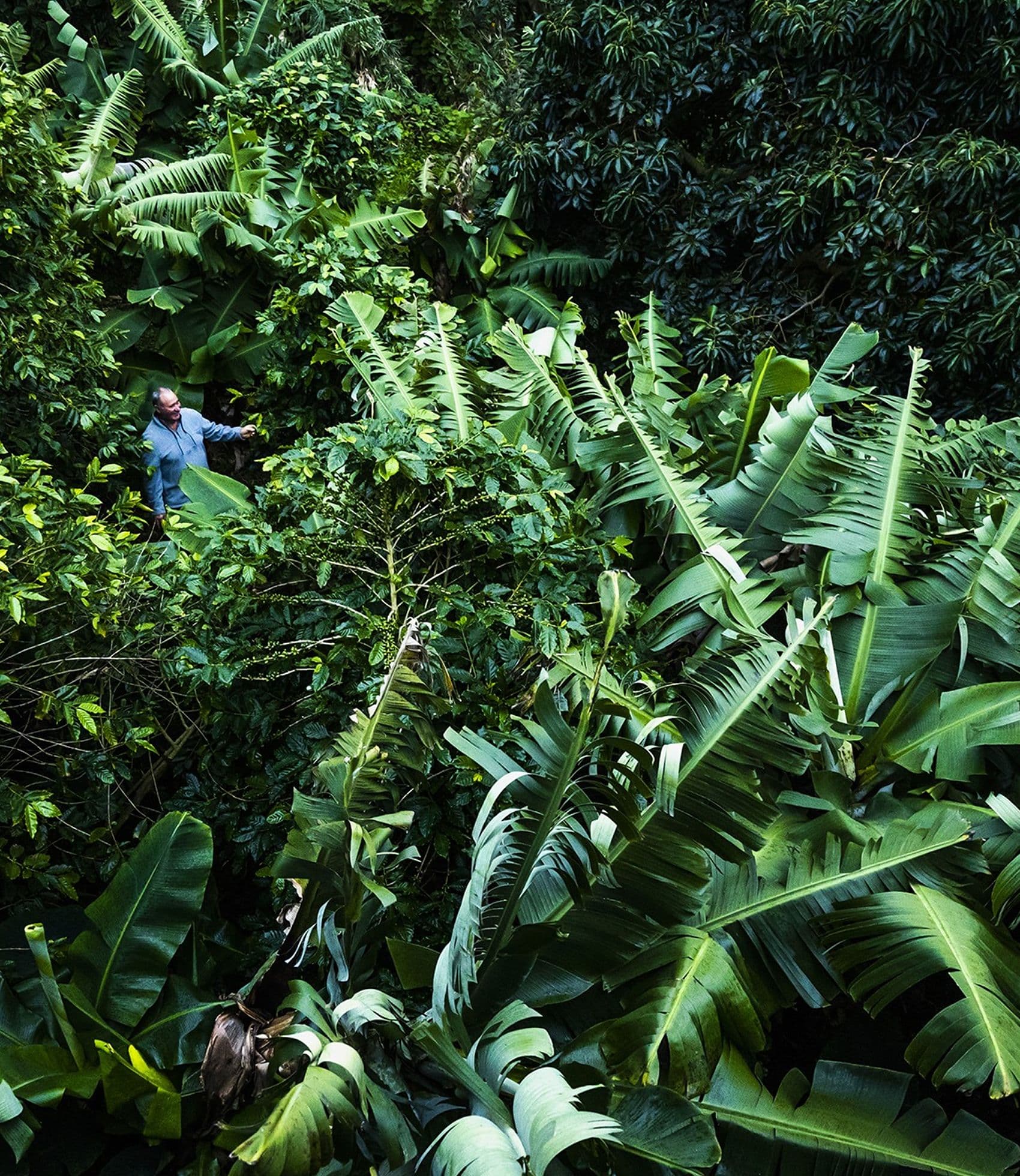
Jack Melly turned an abandoned quarry into Kiqwetu, a 25-acre organic farm with more than 14,000 coffee trees.
[PRODUCER NAME]
[COUNTY / FARM]
[ONE SENTENCE ABOUT THIS PRODUCER AND THEIR ROLE IN GROWING KIKABONI (ABOUT 105 CHARACTERS) AND WHAT IT]
A goal for Kericho County
Growing a Future,One harvest at a time
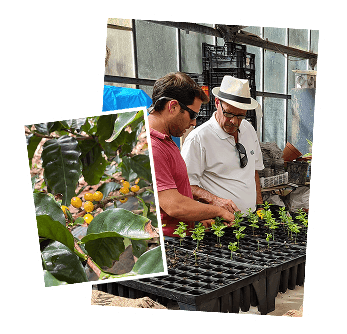
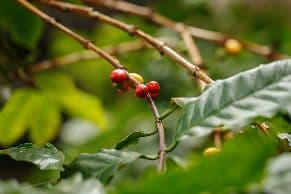
Inspection of the berry and flora 2019The starting pointThis year marked the start of the TRACE Project, run with Solidaridad East and Central Africa and funded by the Danish Ministry of Foreign Affairs (DANIDA). Its goal was to increase market access and resilience for coffee farmers in western Kenya. African Coffee Roasters, the Coffee Research Institute and the county governments of Kericho, Nandi and Bungoma joined as partners, laying the foundations for a pioneering organic origin.
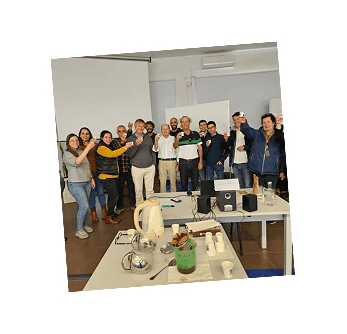 2020Training and knowledge
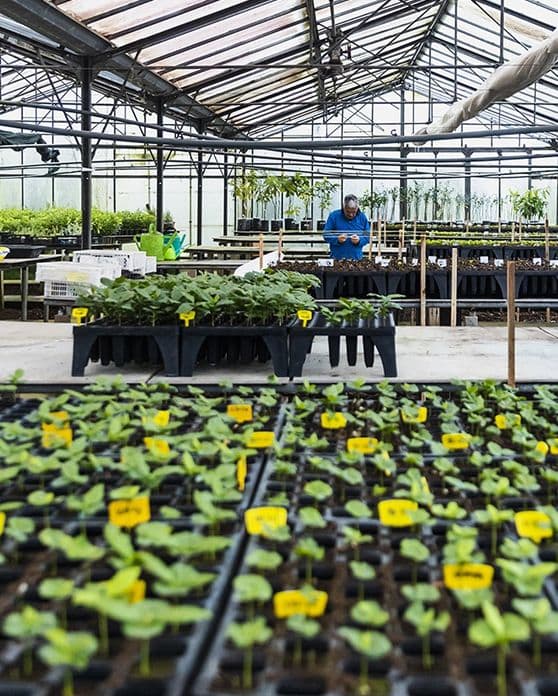
Across the project years, farms such as Humkel and Kiqwetu moved away from synthetic chemicals and adopted regenerative practices: worm tea to manage pests and coffee leaf rust, mulching to hold moisture in the soil, and intercropping with indigenous trees on steep hills. Organic certification asks for three consecutive years of fully organic practice.
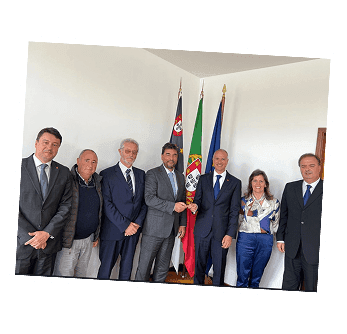 2022Certification approved
After years of patient work, organic certification was officially approved, confirming what the farmers already knew: the hills of Kericho can grow excellent coffee without synthetic chemicals. The certification, with Ecocert present at the celebration, became a milestone for Kenya’s organic coffee, validating the project and showing what regenerative farming can achieve.
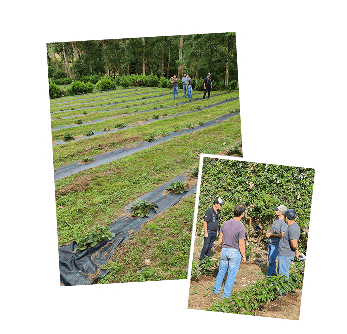 2023A public launch, Nairobi
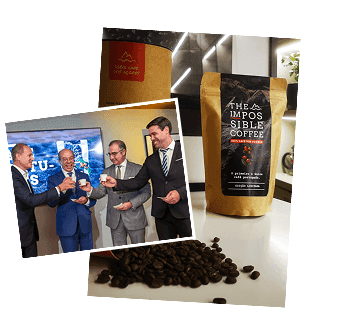
In March, the TRACE Project closed with a public launch at the Safari Park Hotel in Nairobi, welcoming more than 100 guests: farmers, researchers, diplomats and business leaders, all gathered for Kenya’s newest organic coffee.
 2024Organic roast reaches the cup
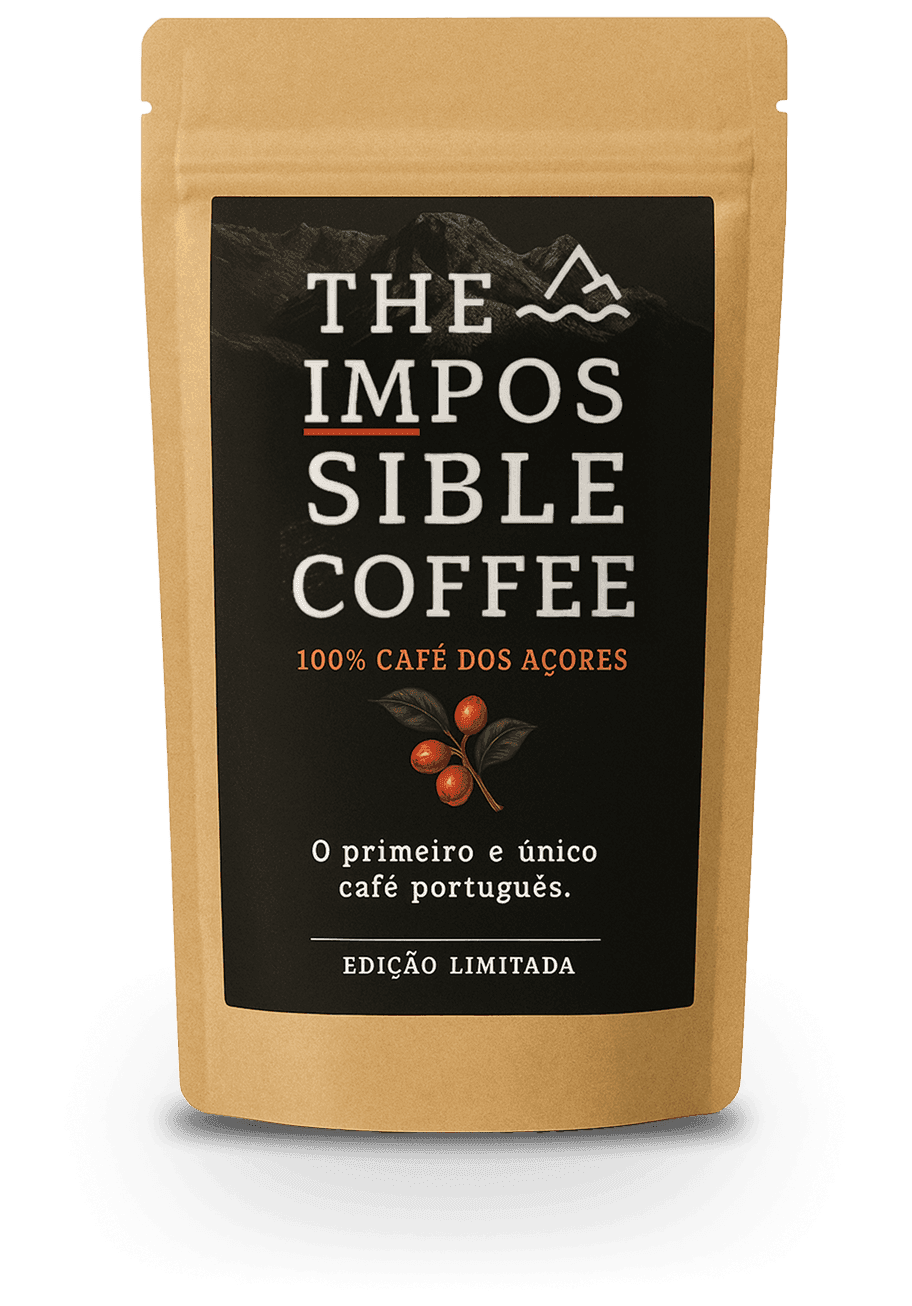
A proud moment arrives: Spring Valley roasts Kikaboni in Nairobi, the first certified organic coffee roasted in Kenya, a blend of Humkel and Kiqwetu beans. More than a product, it is a shared dream built by farmers, researchers and partners who stayed patient. [LAUNCH DATE AND WHERE TO BUY, IN ONE SENTENCE].
A goal for Kericho County
Growing a Future,One harvest at a time
- 2019
- 2020
- 2022
- 2023
- 2024
- 2019The starting point
This year marked the start of the TRACE Project, run with Solidaridad East and Central Africa and funded by the Danish Ministry of Foreign Affairs (DANIDA). Its goal was to increase market access and resilience for coffee farmers in western Kenya. African Coffee Roasters, the Coffee Research Institute and the county governments of Kericho, Nandi and Bungoma joined as partners, laying the foundations for a pioneering organic origin.
Inspection of the berry and flora - 2020Training and knowledge
Across the project years, farms such as Humkel and Kiqwetu moved away from synthetic chemicals and adopted regenerative practices: worm tea to manage pests and coffee leaf rust, mulching to hold moisture in the soil, and intercropping with indigenous trees on steep hills. Organic certification asks for three consecutive years of fully organic practice.
- 2022Certification approved
After years of patient work, organic certification was officially approved, confirming what the farmers already knew: the hills of Kericho can grow excellent coffee without synthetic chemicals. The certification, with Ecocert present at the celebration, became a milestone for Kenya’s organic coffee, validating the project and showing what regenerative farming can achieve.
- 2023A public launch, Nairobi
In March, the TRACE Project closed with a public launch at the Safari Park Hotel in Nairobi, welcoming more than 100 guests: farmers, researchers, diplomats and business leaders, all gathered for Kenya’s newest organic coffee.
- 2024Organic roast reaches the cup
A proud moment arrives: Spring Valley roasts Kikaboni in Nairobi, the first certified organic coffee roasted in Kenya, a blend of Humkel and Kiqwetu beans. More than a product, it is a shared dream built by farmers, researchers and partners who stayed patient. [LAUNCH DATE AND WHERE TO BUY, IN ONE SENTENCE].
You cannot do organic farming if you’re not passionate, because it is not a journey for the weak.
From “Baptism by Fire”, Urnex feature on Kenya’s organic coffee
Kenya’s first certified organic roast
Proudly Kenyan and organic
Kenya’s first certified organic roast
Proudly Kenyan and organic
Behind Kikaboni there is a network of farmers, researchers, funders and partners who make each step possible. These figures show the scale of the work already carried out.

160
Estates
Humkel and Kiqwetu, both in Kericho County, grow the beans for Kikaboni.

11
Partners
Funders, researchers, counties and roasters.

6
Coffee trees
On Kiqwetu alone, grown on reclaimed quarry land.

1.2k
Project years
The TRACE Project backed organic growers from 2020 to 2025.

80
Years to certify
Of fully organic practice before approval.

5
Counties involved
Kericho, Nandi, Bungoma.